
- Understand what the Registry has actually issued
- Reason one: the mark lacks distinctiveness
- Reason two: the wording describes the offering
- Reason three: earlier rights conflict
Understand what the Registry has actually issued
An examination objection is an opportunity to address identified concerns; it is not necessarily a final refusal. A third-party opposition is a separate proceeding. Read the document, statutory grounds, application details and response requirements before deciding what to do.
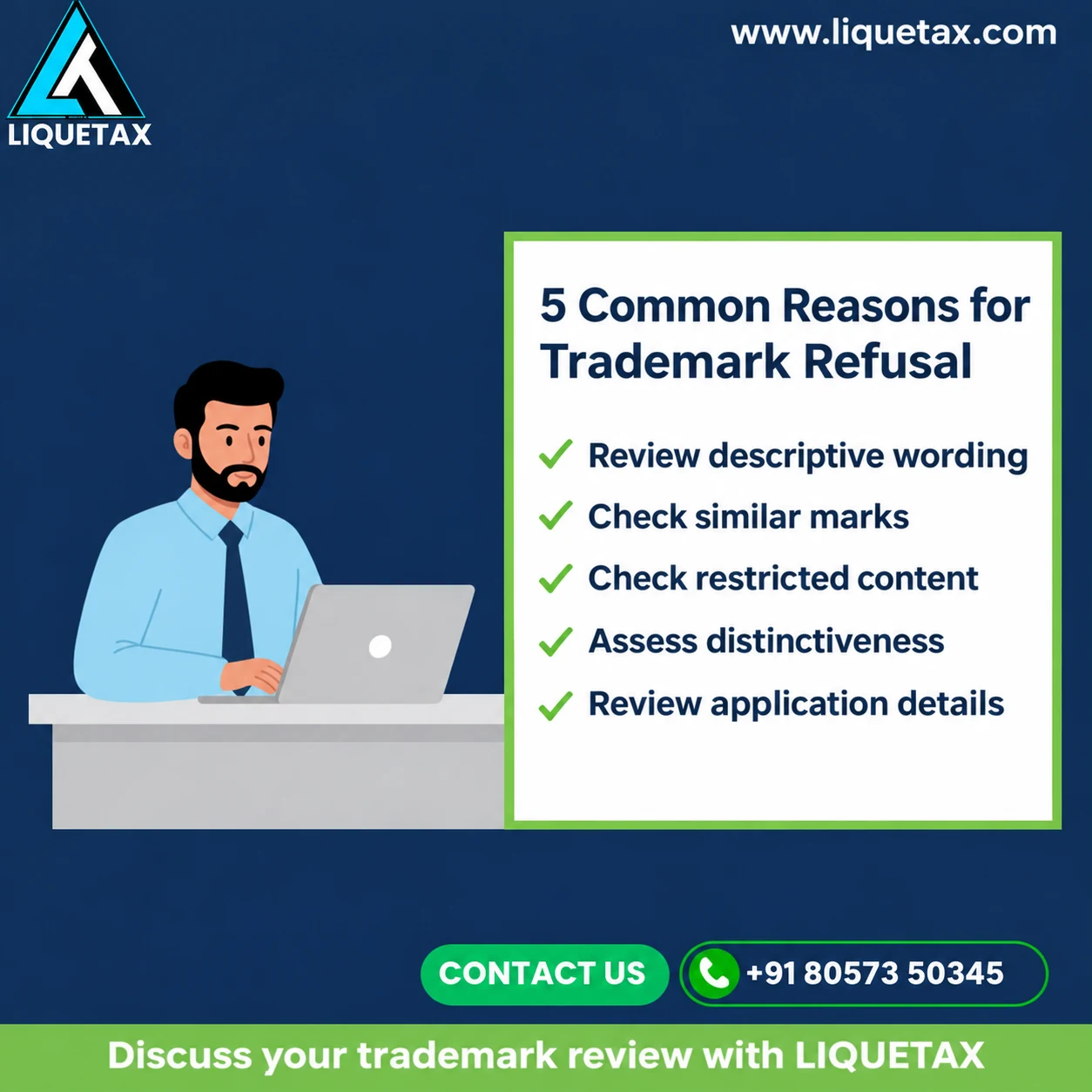
The five issues below help explain common risks. They are not a ranking based on measured rejection statistics, and a search or carefully prepared application cannot guarantee acceptance. The mark, goods or services and evidence all affect the assessment.
Reason one: the mark lacks distinctiveness
A trademark should help customers identify commercial source. An everyday expression used only as a promotional message can be difficult to protect as a mark. Adding a routine decorative border may not resolve a weak underlying expression.
Assess the overall representation and how customers encounter it. Where acquired distinctiveness is relevant, evidence must be credible and connected to the applicant and mark. Do not manufacture survey results, sales figures or old advertisements to strengthen the file.
Reason two: the wording describes the offering
Words that describe the kind, quality, purpose or characteristics of goods can raise absolute-ground concerns. A business may want a descriptive name for marketing clarity, yet that choice can create registration difficulties.

An invented or suggestive alternative may reduce some risks, but it still needs a conflict search. A geographical term is not automatically rejected in every context; assess the actual mark and goods rather than relying on a blanket rule about city names.
Reason three: earlier rights conflict
Similar marks for identical or related goods or services can create a likelihood-of-confusion issue. Exact spelling is only part of the comparison. Sound, appearance, meaning and commercial context may matter.
Read cited registrations and applications in full. Build a comparison that addresses the actual concerns, including scope, status and relevant use evidence. A foreign registration or different class number is not a complete answer by itself, and consent arrangements require careful case-specific assessment.
Reason four: prohibited or misleading matter
A proposed mark may encounter restrictions because it is deceptive, scandalous, offensive or otherwise prohibited under applicable law. Official emblems and protected names require particular care. Marketing appeal does not override those restrictions.
Review claims implied by a logo, such as government endorsement or a certification status. Avoid copying official symbols into branding. If the mark implies a product origin or characteristic the business cannot substantiate, changing the design before launch can be more sensible than defending it later.
Reason five: the application record is defective
Incorrect ownership, an unclear image, a poor goods description or an unsupported use claim can complicate examination. Check the filed form and uploads against original records. Some defects may be correctable; others can require a fresh strategy because a material change is not merely a typing correction.
Maintain a response calendar and save proof of submission. For illustration, a software business receiving a cited-mark objection should compare the competing specifications and evidence, not simply attach its company certificate and assume that incorporation proves trademark entitlement.
Budget for the actual stage
Application, amendment, opposition and renewal are different procedures with different fee entries. Ask for a written scope specifying the report being answered, documents required and any hearing work. Nobody can responsibly guarantee that a response will secure registration.
Practical review before you proceed
Keep a small evidence folder with the proposed owner name, mark image, list of actual goods or services, search date, important competing records and any dated use evidence. Assign one person to watch the official application status and another to cover absences. Save submissions and acknowledgements together, because paying a fee does not prove that the correct document was uploaded. Review the portfolio when the business changes name, adds products, transfers ownership or enters another country. This makes later advice more specific and reduces the chance that a commercially important mark is overlooked.
Frequently asked questions
Does a search guarantee registration?
No. Search results support a risk assessment but cannot promise acceptance or rule out every prior right. The Registry examines the application, and other parties may oppose it. Record the search date and limitations.
Does an Indian registration cover other countries?
No. Trademark rights are territorial. Identify the countries where protection is needed and assess national applications or the Madrid route where suitable. A website selling worldwide does not create a worldwide registration.
Is an objection the same as rejection?
No. Check whether the Registry has issued an examination report, hearing notice or final order. Each has a different procedural role. The correct response depends on the actual document and applicable deadline.
Will changing one letter avoid an earlier mark?
It may not. A small spelling change can preserve a similar pronunciation or overall impression. Search the revised mark and assess the relevant goods and services instead of assuming that a different spelling is enough.
Should I submit the same reply for every objection?
No. Address each ground and cited record with relevant facts and evidence. A generic explanation of why the business needs a trademark does not answer a specific distinctiveness or conflict concern.
Official sources and next step
Checked on 9 October 2026. Use the official material below for the applicable form, current conditions and case-specific instructions.
- Trade Marks Act, 1999
- Trade Marks Rules, 2017
- IP India public trademark search
- IP India forms and official fees
Contact LIQUETAX with your records and the issue you need resolved. Request a written scope and fee quote before work begins; approval remains with the relevant authority.