
- 1. Check the route
Confirm the current application position and whether your proposed work fits the scheme.
- 2. Build the evidence
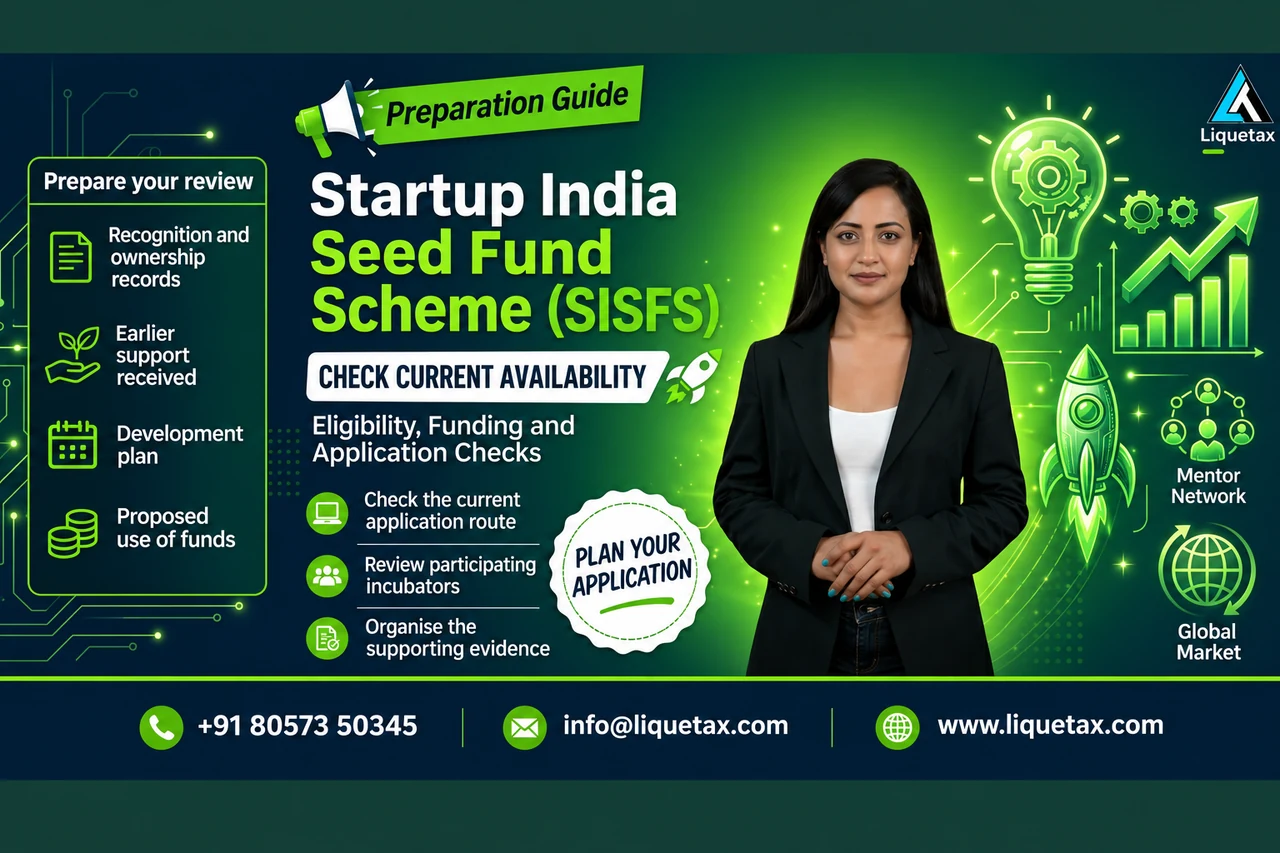
Prepare recognition, ownership, earlier-support records and a realistic development plan.
- 3. Choose incubators
Compare relevant participating incubators and prepare a consistent application.
- 4. Read the agreement
Review the funding instrument, milestones, reporting and release conditions before acceptance.
Start with the problem and the milestone
Describe the customer problem in everyday language. Explain who experiences it, what they do today and what your product would change. A deck filled with market-size claims is less useful than a clear account of what has already been tested and what remains uncertain. Label customer interviews, trial results and projections accurately. A forecast is not an existing order, and a pilot discussion is not a signed commercial contract.
Prepare a short plan linking each proposed expense to a measurable result. For example, an illustrative product trial could compare accuracy across a stated number of test conditions and produce a documented findings report. Explain the assumptions and method rather than promising that the trial will succeed. Keep the requested amount consistent across the application, financial model and presentation.
Understand the two funding categories
The DPIIT guidelines distinguish a grant of up to ₹20 lakh for proof-of-concept validation, prototype development or product trials from investment of up to ₹50 lakh for market entry, commercialisation or scaling through convertible debentures, debt or debt-linked instruments. The ₹50 lakh category is not a universal non-repayable grant. These are scheme ceilings, not an amount every eligible applicant receives.
Read the proposed instrument before comparing offers. Ask what repayment or conversion could mean for cash flow and ownership, how milestones will be measured and who approves changes in the utilisation plan. A headline funding amount alone cannot show whether the arrangement suits your business. Preserve the sanction and signed agreement with the version of the budget on which the decision was based.
An application evidence pack
| Record | What to prepare | Question it answers |
|---|---|---|
| Recognition and incorporation | DPIIT recognition details, incorporation evidence and current legal name | Does the applicant meet the published recognition and age conditions? |
| Ownership | Current ownership and promoter details with supporting records | Can the Indian-promoter condition be evidenced? |
| Earlier government support | A complete list of support, amounts and nature of assistance | Is the monetary-support limit and its stated exclusions correctly assessed? |
| Product evidence | Prototype notes, test results and customer-learning records | Which claims are demonstrated and which remain assumptions? |
| Budget and milestones | Item-wise proposed use of funds, stages and cash-flow assumptions | How will the requested money be used and progress measured? |
| Team and governance | Roles, decision responsibilities and relevant capabilities | Who will deliver the work and maintain the records? |
Check eligibility without replacing it with a slogan
The published framework requires a DPIIT-recognised startup incorporated not more than two years before application, an idea with market fit and commercialisation potential, and technology used in the product, service or business approach. It also addresses Indian-promoter shareholding and earlier government monetary support. The StartInUP official scheme explanation summarises these conditions, including the ₹10 lakh support limit and listed exclusions. Check the exact facts and current central instructions rather than assuming that any young company qualifies.
Do not conceal earlier funding or support to make an answer appear simpler. Maintain a reconciliation showing the amount, provider, date and nature of each item. If an exclusion or ownership calculation is unclear, ask the relevant authority or incubator with the complete facts. A consultant’s positive assessment is preparation support; it does not substitute for the committee’s evaluation.
Choose an incubator for fit and confirm its position
The official scheme FAQ describes applying through the online route with preferences for up to three participating incubators. Before choosing preferences, examine the incubator’s sector experience, technical facilities, mentoring approach and ability to understand your planned trial or market entry. Contact details and portfolio information should be checked against current official information. An older listing is not evidence that an incubator currently has money available for a fresh applicant.
Send focused questions: is the relevant application route accepting submissions, what evidence is needed for your stage, and how should unresolved eligibility points be explained? Keep a dated record of the response. Avoid treating an introduction, presentation invitation or provisional discussion as a sanction. Share confidential technical material only through a channel and scope you have reviewed.
Keep fees and paid advisory work separate
The official SISFS FAQ says there is no scheme application fee. The guidelines prohibit the incubator or its staff from charging applicants or beneficiaries, in cash or kind, for selection, disbursement, incubation or monitoring under the scheme. An asserted “processing fee” for these scheme stages should therefore not be accepted merely because an intermediary calls it standard practice.
If you independently engage someone to organise records, review a pitch deck or explain an agreement, obtain a written scope and price in ₹. Identify the actual supplier and deliverables. Paid advisory work does not purchase selection, an incubator relationship or priority disbursement. Do not share passwords or OTPs, and retain copies of the materials you approve for submission.
Plan for what happens after selection
The published guidelines require an agreement and link further releases to agreed milestones. Build a practical folder for expenditure evidence, progress reports, approvals and utilisation records from the beginning. Separate proposed expenses from actual spending. Where a development step fails, document the result and discuss the permitted next action instead of quietly changing the funded purpose.
Prepare a fallback budget as well. An application may not be selected, money may not be available when needed, and a sanctioned amount is different from money already received. Your customer commitments and supplier payment dates should be based on resources the business can actually access. No grant consultant can guarantee approval, commercial success or a future investor round.
Frequently asked questions
Is SISFS definitely open for new applications today?
This guide does not certify current availability. Check the official portal, current notices and the participating incubator’s application position before relying on an older opening announcement.
Is the ₹50 lakh SISFS limit a grant?
No. The published guidelines describe up to ₹20 lakh as grant support for proof of concept, prototypes or trials, and up to ₹50 lakh as investment through convertible debentures, debt or debt-linked instruments for later stages.
Does DPIIT recognition guarantee funding?
No. Recognition is part of eligibility. The startup must meet the other conditions and be evaluated through the scheme’s incubator selection process.
Can an incubator charge a SISFS processing fee?
The official framework prohibits incubator or staff fees, in cash or kind, for selection, disbursement, incubation or monitoring under SISFS. Independently purchased advisory services should have a separate written scope.
What should I prepare before contacting an incubator?
Keep recognition and incorporation details, ownership records, earlier-support information, product evidence and a consistent milestone-based budget ready. Identify unresolved eligibility questions honestly.
Discuss a clearly scoped next step
Share your startup’s incorporation date, recognition position, development stage and proposed use of funds. LIQUETAX can discuss a defined record-preparation or compliance-review scope. Funding availability, selection and disbursement belong to the scheme authorities and participating incubator.
Discuss your records with LIQUETAXOfficial references
- DPIIT: official SISFS guidelines
- Startup India: SISFS application and fee FAQs
- Government of Uttar Pradesh: SISFS framework and eligibility explanation
- Official SISFS portal: check the current application position
This educational guide is based on the official references linked above. AI-assisted source comparison is not an individual professional endorsement. A filing, funding or contract decision needs the current instructions and review of your own circumstances.